
 Store Locator
 Order Status
 Log In
 Cart
Cart
6 Things to Consider Before You Build a Deck

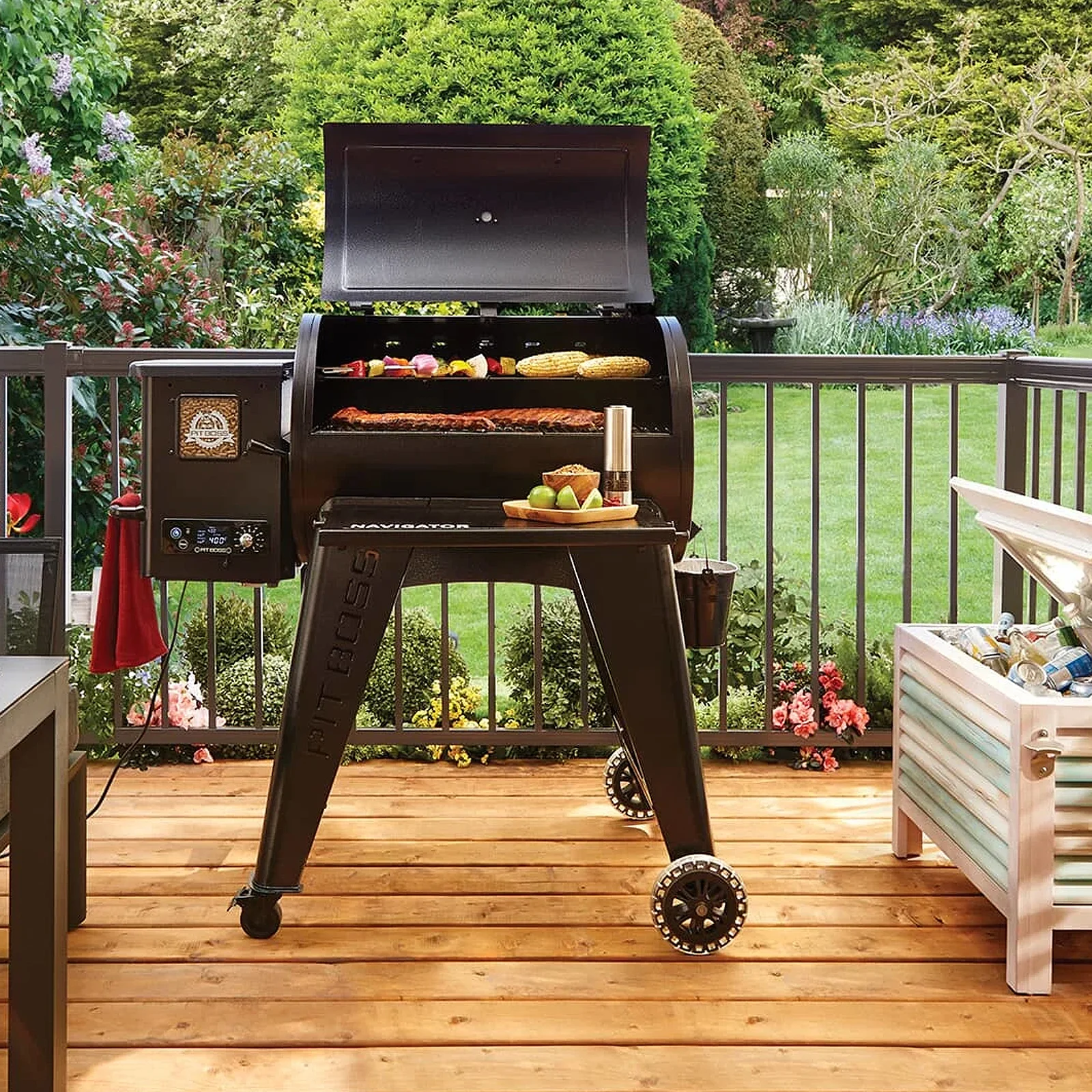
A deck doesn’t just increase the quality of your family’s outdoor life – it’s also an attractive addition to your home that can help add to its resale value in the future. But before you get ahead of yourself, there’s one question you need to ask, says John Esteves of Downtown Lumber Home Building Centre: “What are you going to be using your deck and backyard for? Is it going to be for entertaining? Or are you just hanging out?”
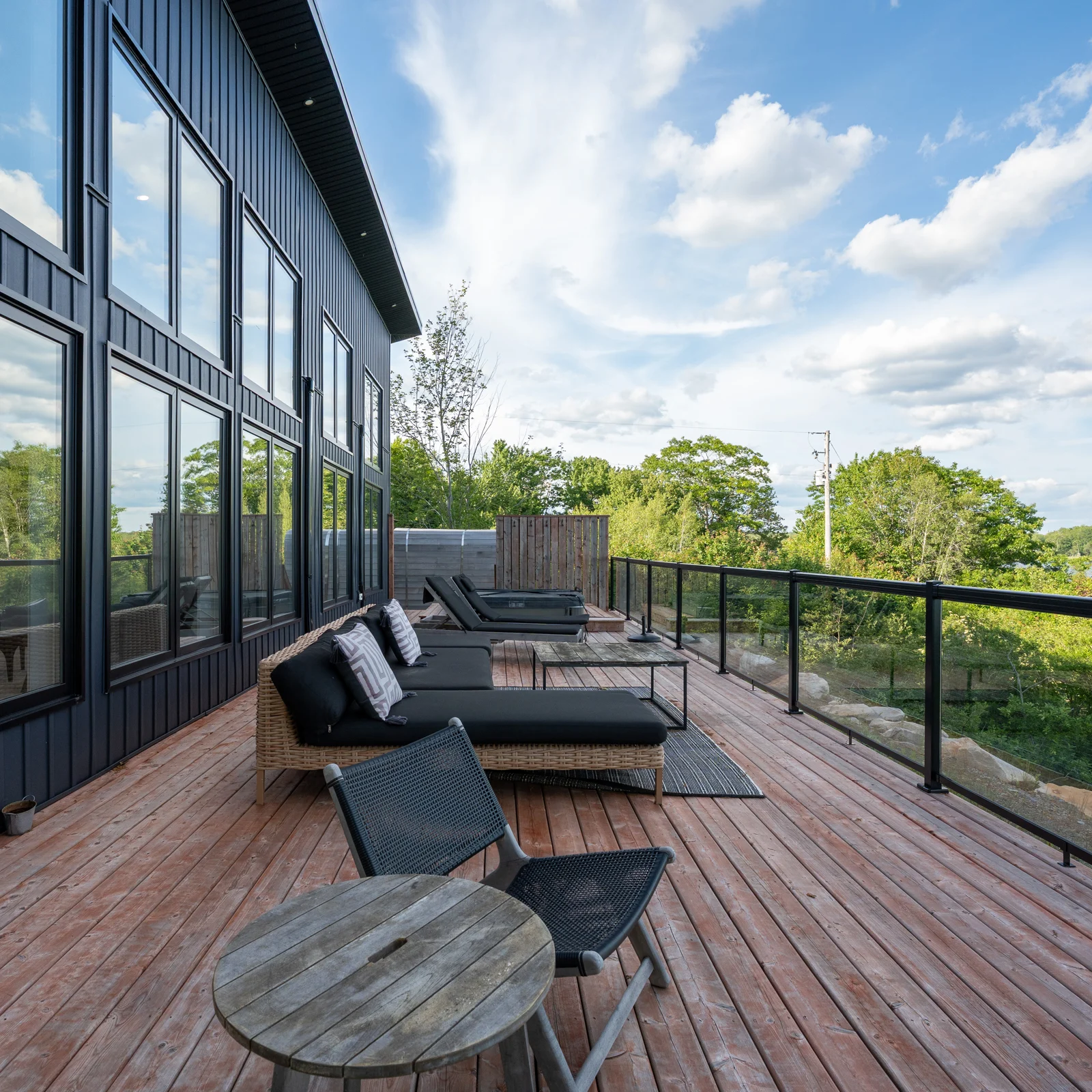
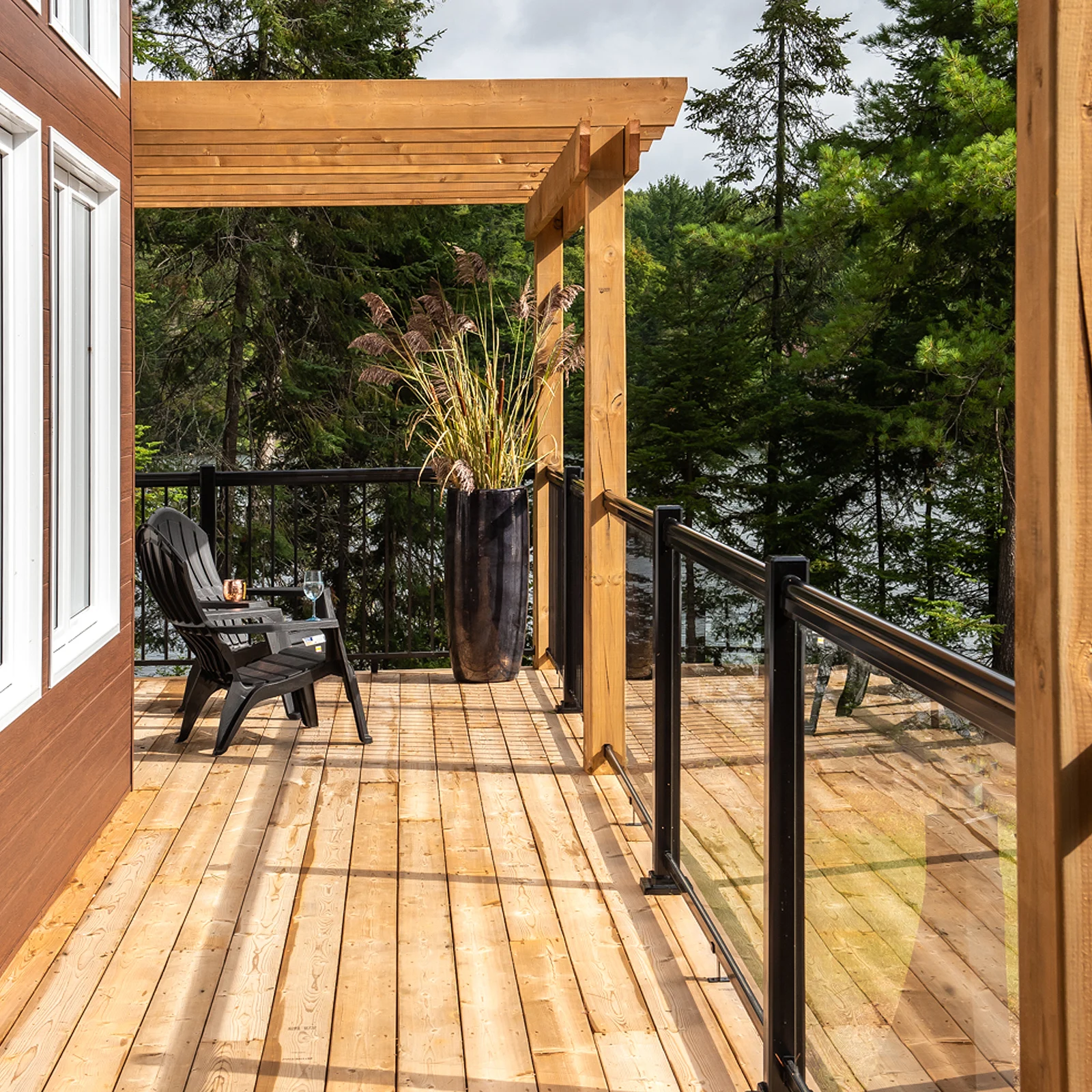
Figuring out what you’ll actually use your deck for – whether it’s dining and entertaining, relaxing or occasional lounging – will help you determine how large your deck should be, and what it should feature. Also consider your existing outdoor elements, whether it’s a pool, a stunning view or a robust garden, and plan your deck accordingly. Ideally, you should also consider your backyard’s landscape – or how you might want to landscape it after you’ve built your deck. If your backyard lacks trees or other natural shade, consider a pergola or trellising to provide some protection from the sun.
1. Dining and Entertaining
2. Lounging
3. Too Big, Too Small or Just Right
4. Permit, Please
Before you begin, check with your municipality to see if you’ll require a building permit. Some communities don’t require a building permit if your deck is less than 100 sq. ft.; others require a permit if your deck is over 10 feet above ground level. Always check with your local building department first so you don’t end up paying a fine in addition to your building costs.
5. Materially Speaking
In Esteves’ experience, the most common material used to build a deck is still pressure-treated lumber. “It’s economical, it’s easy to work with and it can be stained any colour you like.” It’s also eco-friendly and pretty much the best value for your dollar, he says.
If you’ve got a bigger budget – about two and a half times bigger – then you might consider cedar. But it requires more maintenance and it’s a softer wood. Even the pebbles that get stuff in your shoe can mark up your deck. “In terms of workability, though, it’s fantastic and it looks beautiful as well,” says Esteves. Lastly, there are your composite woods: virtually maintenance-free, durable, insect-free and eco-friendly. However, you’ll still need to have a wood frame as composite materials are strictly for deckboards and railings. “Some people feel that if they’re spending the money for cedar, then they might as well spend a bit more to go for the composite and not have to worry about maintenance,” Esteves adds.


6. Project Packages for Homeowners, DIYers and Contractors